This bleeding occurs inside the brain’s fluid-filled ventricles and is most often associated with prematurity and fragile germinal matrix blood vessels. Larger hemorrhages may enlarge the ventricles, extend into nearby brain tissue, or contribute to hydrocephalus.
What to Know About Neonatal Intracranial Hemorrhages
A neonatal intracranial hemorrhage is bleeding within a newborn’s skull, either around or within the brain. Understanding the diagnosis can help your family ask informed questions about what happened, the care your baby may need, and whether a legal review may be appropriate.
What is neonatal intracranial hemorrhage?
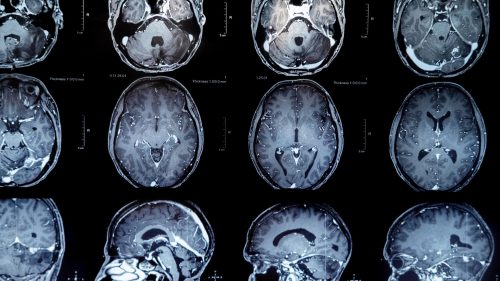
Neonatal intracranial hemorrhage, sometimes called a newborn brain bleed, occurs when a blood vessel ruptures and blood collects inside the skull. The bleeding may develop around the brain, within brain tissue, or inside the fluid-filled ventricles, and it can affect premature or full-term newborns.
The impact varies widely. Some small hemorrhages cause no noticeable symptoms and resolve with monitoring, while larger bleeds may place pressure on the brain, disrupt circulation, or injure developing brain tissue. Doctors use neurologic examinations and imaging such as cranial ultrasound, CT, or MRI to identify the location and extent of the bleeding and look for associated injury or complications.
Signs and symptoms of intracranial hemorrhage
Some newborns, particularly those with small hemorrhages, may not show obvious symptoms. When signs are present, they may include:
- Apnea, pauses in breathing, bluish skin color, or the need for respiratory support
- Seizures, abnormal repetitive movements, or episodes of staring or reduced responsiveness
- Lethargy, unusual sleepiness, or difficulty waking
- A weak suck, poor feeding, or difficulty swallowing
- Low muscle tone, abnormal reflexes, weakness, or unequal movement
- A bulging soft spot or a rapidly increasing head circumference
- Pale skin, anemia, low blood pressure, or sudden cardiovascular instability
- An abnormal neurologic examination or an unexpected change in the baby’s condition
These findings can also occur with other newborn conditions, so no single symptom confirms a brain bleed. Prompt evaluation may include blood tests, neurologic monitoring, and brain imaging to determine whether hemorrhage is present and whether complications such as hydrocephalus are developing.
What causes neonatal intracranial hemorrhage?
A newborn brain bleed can have traumatic or non-traumatic causes. Possible causes and contributing factors include:
- Prematurity and fragile blood vessels in the germinal matrix, which increase the risk of intraventricular hemorrhage
- Hypoxia-ischemia or another interruption in oxygen and blood flow before, during, or shortly after birth
- Rapid changes in blood pressure, reduced blood flow followed by reperfusion, or severe newborn illness
- Abnormal pressure on the head during labor, a difficult delivery, skull fracture, or other birth-related trauma
- A coagulation disorder, vitamin K deficiency, low platelet count, hemophilia, or disseminated intravascular coagulation
- Hemorrhagic stroke, cerebral venous thrombosis, or a vascular malformation
- Infection or a rarer genetic, metabolic, structural, or tumor-related condition
Some intracranial hemorrhages occur after an otherwise normal delivery or result from conditions unrelated to the care provided. The presence of a brain bleed does not, by itself, establish that medical negligence occurred, and the precise cause may remain uncertain even after a thorough evaluation.
When intracranial hemorrhage may be medical malpractice
Not every neonatal intracranial hemorrhage is caused by medical malpractice. Some brain bleeds arise from prematurity, an unavoidable emergency, or a medical condition that could not reasonably have been prevented. However, the following circumstances may point to negligence and warrant a careful review of the medical records:
- Failing to monitor the fetal heart rate appropriately or respond to persistent signs that the baby may not be tolerating labor
- Delaying a cesarean delivery or another necessary intervention when the clinical circumstances called for urgent delivery
- Using forceps or a vacuum extractor in a manner that departs from accepted practice, such as improper placement or traction, or continuing after unsuccessful attempts
- Failing to recognize or respond to a difficult delivery, possible skull injury, significant head trauma, or other warning signs of bleeding
- Delaying brain imaging, neonatal or neurosurgical consultation, or transfer after seizures, apnea, lethargy, abnormal reflexes, or another concerning neurologic change
- Failing to evaluate or treat a known or suspected coagulation problem, significant anemia, or continued bleeding
- Delaying appropriate respiratory, circulatory, seizure, or hydrocephalus management after the hemorrhage was identified or reasonably should have been suspected
Wais, Vogelstein, Forman, Koch & Norman, LLC investigates neonatal intracranial hemorrhage cases nationwide and works with medical experts to review fetal monitoring, labor and delivery records, instrument use, newborn examinations, imaging, laboratory results, and neonatal treatment.
Treatment and long-term outlook
Treatment depends on where the bleeding occurred, how large it is, whether it is progressing, and how the newborn is responding. A small hemorrhage without symptoms may require close observation and repeat imaging, while a symptomatic baby may need respiratory and circulatory support, seizure treatment, blood products, vitamin K, or treatment for an underlying coagulation disorder.
The medical team may monitor head circumference, neurologic findings, blood counts, blood pressure, and imaging results. A significant or worsening hemorrhage may require neurosurgical consultation, and a baby who develops progressive hydrocephalus may need cerebrospinal fluid drainage, a ventricular reservoir, or a shunt.
The long-term outlook depends on the baby’s gestational age, the location and extent of the bleeding, its underlying cause, and whether the surrounding brain was injured. Some small hemorrhages resolve without lasting effects, while more extensive bleeding may be associated with seizures, hydrocephalus, movement difficulties, or developmental challenges. Ongoing neurologic and developmental follow-up can help families identify support needs and begin early intervention when appropriate.
Injury Types: Intracranial Hemorrhage
Recognizing the types of neonatal intracranial hemorrhage.
The location of a newborn brain bleed helps doctors understand its likely cause, possible complications, and treatment needs. Each type can vary in severity, and a baby may have bleeding in more than one area.
Intraventricular hemorrhage
Subarachnoid hemorrhage
This bleeding occurs in the space between membranes covering the brain. Some newborns develop apnea, seizures, lethargy, or abnormal neurologic findings, and larger hemorrhages may require monitoring for hydrocephalus.
Subdural hemorrhage
This bleeding collects beneath the dura, the brain’s outer protective covering, and may be associated with torn veins, a difficult delivery, or skull injury. Small bleeds may resolve without treatment, while a large hematoma can compress the brain and require drainage.
Intraparenchymal hemorrhage
Also called intracerebral hemorrhage, this type occurs within the brain tissue itself and may accompany intraventricular bleeding, stroke, trauma, or a vascular or clotting disorder. Its effects depend on the location and extent of the bleed and any associated brain injury.
Frequently Asked Questions
Common questions about neonatal intracranial hemorrhage.
Every newborn’s diagnosis and recovery are different, but clear information can help your family understand the medical timeline and the questions you may want to ask.
What is the difference between an intracranial hemorrhage and HIE?
An intracranial hemorrhage is bleeding around or within the brain, while hypoxic-ischemic encephalopathy (HIE) is brain dysfunction or injury associated with reduced oxygen and blood flow. The conditions are distinct, but they can occur together because hypoxia-ischemia may increase the risk of bleeding and a serious hemorrhage can also affect oxygen delivery within the brain.
Is neonatal intracranial hemorrhage always caused by medical malpractice?
No. A newborn brain bleed may result from prematurity, an unavoidable delivery complication, a clotting disorder, infection, stroke, or another medical condition. Malpractice may be involved when a healthcare provider does not respond reasonably to fetal or newborn warning signs, uses delivery instruments improperly, or delays necessary diagnosis or treatment, and that failure contributes to the harm.
How is a newborn intracranial hemorrhage treated?
Treatment is based on the location, size, symptoms, and underlying cause of the bleed. Care may include close observation, repeat imaging, breathing and circulation support, seizure medication, blood products, vitamin K or coagulation treatment, and monitoring for hydrocephalus. Neurosurgical drainage or a procedure to manage cerebrospinal fluid may be needed in some significant or progressive cases.
How long do families have to file an intracranial hemorrhage medical malpractice claim?
The deadline, or the statute of limitations, depends on the state where the care occurred and may be affected by medical malpractice rules and when the injury was discovered. Because these deadlines vary and can be complex, families should speak with an attorney promptly to understand the time limits that may apply.