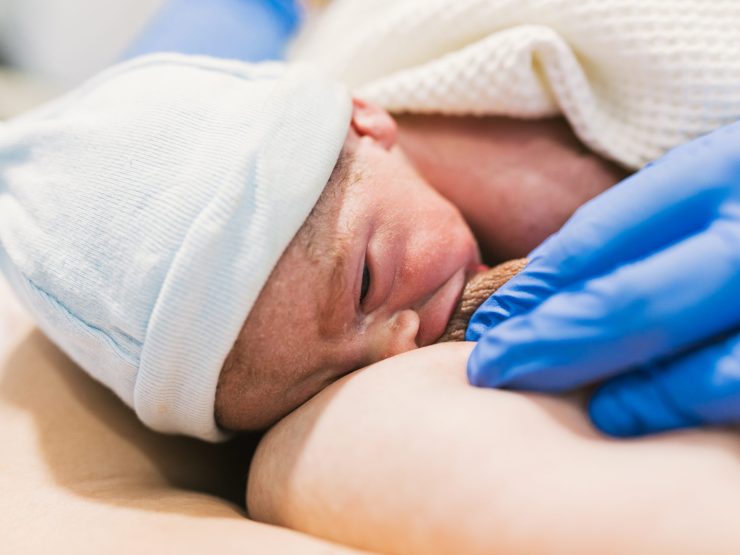
Understanding the Signs and Causes of Newborn Seizures

November is National Epilepsy Awareness Month, a time dedicated to education and support for those living with seizures and epilepsy. According to Texas Children’s Hospital, newborn seizures often appear within the first 72 hours of life, and they can be brief and subtle enough to pass for normal newborn movements.
For some families, that raises questions about what caused the seizures and whether anything could have been done sooner. Below is what newborn seizures can look like, what causes them, and which causes may be worth a closer look when it comes to a baby’s care.
What Are Newborn Seizures?
A neonatal seizure is one that happens during the newborn period, which for a full-term baby is the first 28 days of life, according to UCSF Benioff Children’s Hospitals. Babies born early or at a low birth weight are more likely to have them.
Outcomes depend on the type of seizure and what is behind it. Some are mild and brief and cause no lasting health problems. Others are a symptom of something more serious, particularly a brain injury, which is why UCSF says babies with seizures should get rapid, specialized care. UCSF also notes that some babies who have neonatal seizures go on to develop epilepsy later in life.
How Can Newborn Seizures Be Recognized?
It is harder than it sounds. UCSF explains that a newborn seizure may be short and subtle, and that many of the visible signs, such as chewing motions and bicycling movements, also show up in healthy newborns. Because the signs overlap with normal newborn behavior, UCSF says an electroencephalogram (EEG) is essential for diagnosing and managing neonatal seizures.
What Causes Newborn Seizures?
According to the MSD Manual, the most common cause is hypoxia-ischemia, a lack of oxygen and blood flow to the brain. It can happen before, during, or after delivery. This type of brain injury is known as hypoxic-ischemic encephalopathy (HIE).
Texas Children’s Hospital lists several things that can contribute to that kind of injury:
- Trauma during birth
- Low blood pressure in the mother
- Placenta complications
- Maternal bleeding or blood clots
- Infections contracted in the womb or during birth
Other causes exist too. The MSD Manual names infections such as meningitis and sepsis, inborn errors of metabolism, and genetic causes.
Which Causes May Be Linked to Medical Malpractice?
Not every cause of newborn seizures has anything to do with the care a baby receives. Genetic causes and inborn errors of metabolism are on the list, for example, but some causes involve things a care team is expected to watch for, and those may be worth a closer look.
- Oxygen deprivation: HIE is the most common cause, so how a team responded to warning signs during labor and delivery, including fetal heart rate monitoring, may be worth reviewing.
- Infection: A maternal or newborn infection that was not recognized or treated may be worth reviewing.
- Delayed testing: UCSF says prompt diagnosis and treatment are essential, so delay in getting an EEG or specialized care after concerns were noticed may deserve a second look.
None of this confirms that negligence occurred. Only a review of the medical records can show what happened in a particular case.
What Can Parents Do If They Have Questions About Their Baby’s Care?
If you are wondering whether your baby’s seizures involve a gap in care, an attorney experienced in birth injury cases can walk you through your options.
An attorney can arrange for the medical records to be independently reviewed by qualified professionals who can help determine whether the care provided met the expected standard. Time limits apply to these types of claims, so it can help to reach out sooner rather than later.
We Are Here to Help You Get Answers
At Wais, Vogelstein, Forman, Koch & Norman, LLC, our attorneys help families understand what happened during pregnancy, labor, delivery, and the newborn period. If you are wondering whether your baby’s seizures may have involved a gap in care, we are here to listen and help you understand your options, with compassion and no obligation.
Contact us today at 410-998-3600 or schedule a free consultation through our contact page.