
The most common form of stroke, occurring when a blood vessel supplying the brain becomes blocked or narrowed by a blood clot or cholesterol plaque, severely restricting vital oxygen delivery.
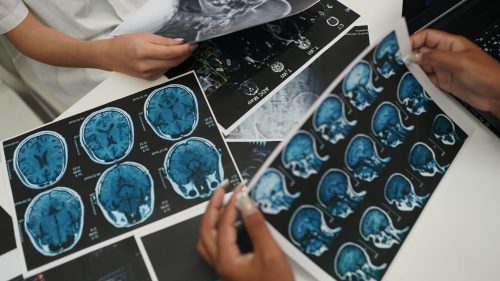
Understanding Stroke Injuries Caused By Medical Negligence
A stroke can change a family’s life within minutes, and when a delay in diagnosis or treatment makes the damage worse, it can be hard to know where to turn. This page is here to help you understand what a stroke is, how it should be treated, and what legal options may be available if a healthcare provider’s error contributed to the harm.
What is a stroke injury?
A stroke injury occurs when the critical flow of oxygen-rich blood to a portion of the brain is disrupted. Without a continuous blood supply, brain cells in the affected area begin to deplete and die within minutes, which can lead to permanent cognitive impairments, physical challenges, or loss of life. There are two primary categories of stroke: ischemic strokes, which happen when a blood vessel becomes obstructed by a clot, and hemorrhagic strokes, which are caused by a ruptured or leaking blood vessel within the brain. Prompt diagnostic medical exams are vital to differentiate between the two types and initiate appropriate medical countermeasures immediately.
Signs and symptoms of a stroke injury
Stroke symptoms can manifest suddenly and without prior warning, or they may escalate progressively over several hours. Recognizing these indicators quickly is essential for mitigating extensive brain injuries:
- Sudden numbness, tingling, or profound muscle weakness, particularly localized to one side of the body
- Immediate confusion, difficulty understanding speech, or trouble speaking clearly
- Abrupt vision impairments in one or both eyes, or changes in taste and hearing
- Severe, unexplained headaches that may worsen when lying flat or wake a person from sleep
- Dizziness, loss of balance, clumsiness, difficulty walking, or a total lack of coordination
- Difficulty swallowing, sudden reading or writing challenges, or an unexpected lack of bladder control
What causes a stroke injury?
Strokes stem from underlying cardiovascular or circulatory conditions that impair blood delivery to cerebral tissues. While some risk factors develop naturally, medical professionals have an explicit responsibility to monitor, diagnose, and actively manage these conditions to prevent acute, devastating events:
- Uncontrolled arterial hypertension (high blood pressure) that weakens cerebral blood vessels
- Blood clots or embolisms originating in the heart or carotid arteries that travel to the brain
- Severe narrowing or blockages in the neck arteries (carotid artery disease)
- Vascular abnormalities, aneurysms, or underlying bleeding disorders that increase hemorrhage risk
When a stroke injury may be medical malpractice
It is vital to understand that a stroke is a complex medical condition, and an adverse outcome does not automatically mean medical malpractice occurred. However, healthcare professionals are bound by strict standards of care to promptly identify, evaluate, and treat patients exhibiting stroke symptoms or high-risk indicators. When a deviation from these established protocols leads to preventable brain injury or severe long-term disability, it may point to medical negligence.
Scenarios that may point to negligence include:
- Misdiagnosing clear stroke symptoms as a less severe condition, such as a migraine, vertigo, or intoxication, leading to a dangerous delay in care
- Failing to order immediate, necessary imaging tests, such as an urgent CT scan or MRI, to determine the location and type of stroke
- Failing to administer time-sensitive clot-busting medications, such as thrombolysis (tPA), within the critical limited time window for eligible ischemic stroke patients
- Neglecting to order specialized laboratory tests, including blood clotting timelines, complete blood counts, or carotid duplex exams, when clinical indicators warrant them
- Failing to recognize, monitor, and treat critical pre-existing risk factors or warning signs in patients with high-risk cardiovascular profiles
- Inadequately managing post-stroke care, resulting in secondary bleeding, severe surgical infections, or further neurological decline
Evaluating these complex circumstances requires a deep understanding of both law and medicine, which is why the legal team at Wais, Vogelstein, Forman, Koch & Norman, LLC works closely with independent medical experts to thoroughly investigate whether a medical provider failed to meet the accepted standard of care.
Treatment and long-term outlook for stroke injuries
Medical treatments for a stroke focus entirely on restoring normal blood flow to the brain as quickly as possible or controlling intracerebral bleeding. For ischemic strokes, emergency interventions may include FDA-approved thrombolytic medications to dissolve blood clots, or specialized antiplatelet and anticoagulation therapies to thin the blood and minimize further injury. In contrast, hemorrhagic stroke care may require antihypertension medications to reduce blood pressure and prevent active bleeding, or immediate surgical intervention to repair damaged blood vessels.
The long-term outlook depends heavily on the speed of treatment. Delays can result in profound, permanent disability requiring ongoing physical therapy, speech rehabilitation, and specialized long-term care, while rapid intervention greatly maximizes the opportunity for recovery.
Injury Types: Stroke Injuries
Recognizing the main types of stroke injuries.
Understanding the distinct clinical types of stroke helps families grasp the specific medical interventions their loved one required and identify where critical errors in care may have happened.
Ischemic Stroke Injury
Hemorrhagic Stroke Injury
An event triggered by a leaking or ruptured blood vessel within the brain, causing blood to pool in surrounding cerebral tissues, creating dangerous intracranial pressure and tissue damage.
Transient Ischemic Attack (TIA)
Often referred to as a mini-stroke, this is a temporary disruption of blood flow that causes brief stroke-like symptoms and serves as a critical warning sign that a major, catastrophic stroke injury may be imminent if left unmanaged.
Frequently Asked Questions
Common questions about stroke injuries.
If your family is facing injuries from a stroke, it is natural to have questions. Here are answers to some of the ones we hear most often.
What is the relationship between a transient ischemic attack (TIA) and a full stroke injury?
A transient ischemic attack, or TIA, involves a temporary blockage of blood flow to the brain that produces stroke symptoms that resolve within minutes or hours. While a TIA does not cause permanent brain damage on its own, it serves as a critical medical warning sign that a patient is at extremely high risk for a major, debilitating stroke. Medical providers are expected to treat a TIA as a serious diagnostic window, performing thorough cardiovascular evaluations to implement preventive therapies. Failing to properly investigate and manage a TIA can leave a patient highly vulnerable to a catastrophic stroke event shortly thereafter.
Is a stroke injury always caused by medical malpractice?
No. A stroke is an organic medical condition that can arise from diverse naturally occurring health factors, including advanced age, underlying vascular diseases, congenital structural issues, or severe cardiovascular conditions. Medical malpractice only becomes a factor when a healthcare provider fails to uphold the accepted standard of care. This includes instances where an attending doctor fails to recognize obvious, presenting stroke symptoms, neglects to administer time-sensitive medications that could mitigate brain damage, or ignores significant, manageable risk factors that directly contribute to a preventable injury.
How are stroke injuries treated, and can the damage be reversed?
Emergency stroke treatments focus entirely on rapidly restoring cerebral blood flow or halting internal bleeding. For an ischemic stroke, doctors may utilize clot-dissolving medications or perform surgical interventions to clear arterial blockages. For a hemorrhagic stroke, treatment centers on controlling blood pressure and reducing pressure within the skull. While damaged brain cells cannot regenerate, early treatment and intensive long-term rehabilitation—including physical, occupational, and speech therapies—can help the brain adapt and allow patients to regain lost functions. However, if care is delayed due to a medical mistake, the permanent neurological damage is often much more severe.
How long do families have to file a stroke injury medical malpractice lawsuit?
The timeframe allowed for filing a medical malpractice lawsuit is governed by laws known as the statute of limitations, which vary significantly depending on the state where the medical treatment occurred. Wais, Vogelstein, Forman, Koch & Norman, LLC handles medical malpractice and birth injury cases on a nationwide scale, and looks closely at the specific jurisdictional rules that apply to your family’s situation. Since these legal windows are strictly enforced and can expire, it is highly beneficial to consult with a qualified legal team as early as possible to ensure your family’s right to seek answers and accountability is fully protected.
Our Resources
Related articles


