|Who We Are|Resources|Article|What Is Considered a Premature Birth and What Are the Long-Term Effects?
What Is Considered a Premature Birth and What Are the Long-Term Effects?
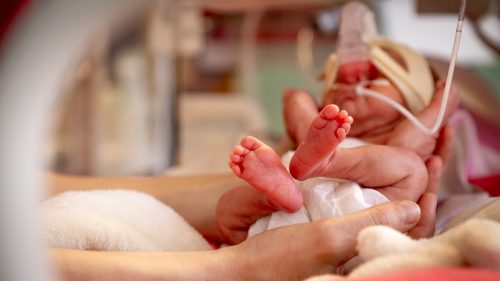
November is Prematurity Awareness Month. According to the World Health Organization, the day is meant to raise awareness of the challenges preterm birth creates and to push for better care for babies born too soon, along with practical and emotional support for their families.
For some families, a premature birth raises questions that go well beyond the hospital stay. Below is how premature birth is defined, what the long-term effects can be, and which circumstances may be worth a closer look when it comes to a baby’s care.
What Is Considered a Premature Birth?
The World Health Organization defines preterm, or premature, birth as a baby born before 37 completed weeks of pregnancy.
It breaks preterm birth into three categories based on gestational age:
- Extremely preterm: less than 28 weeks
- Very preterm: 28 to less than 32 weeks
- Moderate to late preterm: 32 to less than 37 weeks
A baby may arrive early because of spontaneous preterm labor, or because of a medical reason for an early delivery, such as an infection or another pregnancy complication.
What Are the Long-Term Effects of Premature Birth?
A 2025 review in Frontiers in Pediatrics found that complications can continue from childhood into adulthood, and that the earlier a baby is born, the more pronounced those complications tend to be.
Effects can include:
- Development and movement: motor delays, cerebral palsy, learning problems, and language delay
- Hearing and vision: hearing impairment and a range of vision problems
- Lungs and breathing: reduced lung function and asthma
- Heart and kidneys: a higher risk of high blood pressure and, in adulthood, heart and kidney disease
The review adds that identifying these conditions early can often improve a child’s outcomes through targeted support.
Which Circumstances May Be Linked to Medical Malpractice?
Being born early does not, on its own, point to negligence. The World Health Organization says preterm birth happens for a variety of reasons, and often no cause is identified. But some of what happens before, during, and after a premature birth involves things a care team is expected to watch for.
These circumstances may be worth a closer look:
- Treatment for preterm labor: The World Health Organization says treatments are available to help protect a preterm baby from neurological impairment, breathing difficulties, and infection when preterm labor begins. Whether they were offered may be worth reviewing.
- Infection: The review links sepsis in very preterm babies to a higher risk of neurodevelopmental impairment. A maternal or newborn infection that was not recognized or treated may be worth reviewing.
- Follow-up: Developmental, hearing, or vision concerns that were never evaluated may deserve a second look.
What Can Parents Do If They Have Questions About Their Baby’s Care?
If you are wondering whether your baby’s premature birth or its effects may have involved a gap in care, an attorney experienced in birth injury cases can arrange an independent review of the medical records and walk you through your options. A premature birth does not automatically mean something went wrong. Many families simply want to understand what happened, and a records review can provide that whether or not it points to a legal claim. Time limits apply to these types of claims, so it can help to reach out sooner rather than later.
We Are Here to Help You Get Answers
At Wais, Vogelstein, Forman, Koch & Norman, LLC, our attorneys help families understand what happened during pregnancy, labor, delivery, and the newborn period. If your baby was born prematurely and you have questions about the care provided, we are here to listen and help you understand your options, with compassion and no obligation.
Contact us today at 410-998-3600 or schedule a free consultation through our contact page.