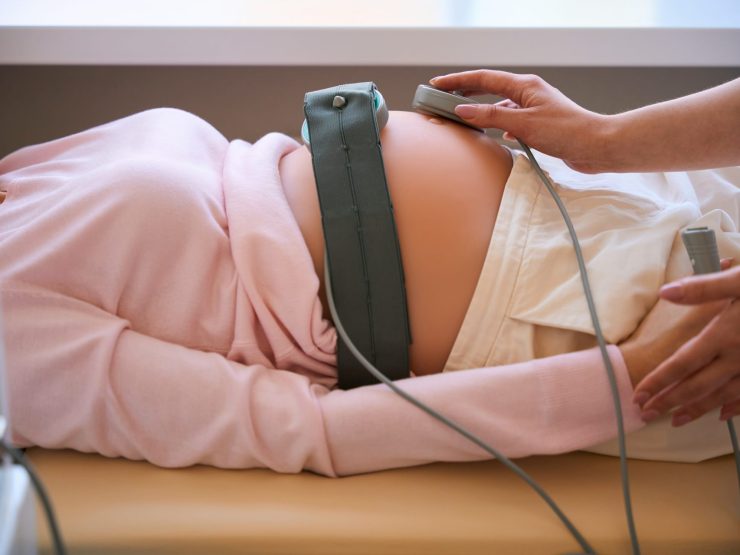
Infants born to mothers with pre-existing or gestational diabetes experience high glucose exposure in the womb, causing overproduction of fetal insulin that rapidly depletes the newborn’s blood sugar after birth.

Understanding Hypoglycemia Mismanagement
Learning that your newborn suffered a preventable brain injury due to hypoglycemia mismanagement can be devastating for any parent. This guide is designed to help families understand neonatal hypoglycemia, recognize how proper medical management protects infant health, and evaluate their options if medical errors caused lasting harm.
What is hypoglycemia mismanagement?
Hypoglycemia mismanagement occurs when medical providers fail to properly monitor, diagnose, or treat abnormally low blood sugar (glucose) levels in a newborn infant. Glucose is the primary source of energy for the human brain. While a brief drop in blood sugar immediately following delivery can be a normal part of a newborn’s physiological transition, persistently low or severely depressed glucose levels prevent brain cells from receiving the energy they need to function.
When neonatal hypoglycemia is mismanaged, unrecognized, or left untreated, prolonged glucose deprivation rapidly causes cellular damage in vulnerable areas of the developing brain. Severe hypoglycemia mismanagement can lead to permanent neurological conditions, including Cerebral Palsy, seizure disorders, intellectual disabilities, or developmental delays.
Signs and symptoms of hypoglycemia
Hypoglycemia in newborns can present with clear physical indicators, though some high-risk infants may initially show subtle signs. Medical staff and parents should watch carefully for indicators of low blood sugar, which include:
- Severe drowsiness, difficulty awakening the infant for feedings, or an inability to sustain alertness.
- Repetitive, involuntary muscle twitching, trembling, or exaggerated startle responses.
- Weak sucking reflex, refusal to breastfeed or take a bottle, or uncoordinated swallowing.
- Floppy muscle tone or abnormal limpness throughout the body.
- Rapid breathing (tachypnea), grunting, irregular breathing patterns, or brief pauses in breathing (apnea).
- Inability to maintain normal body temperature, resulting in cold skin or pale, mottled discoloration.
- Twitching, eye rolling, unresponsiveness, or overt clinical seizures in moderate to severe cases.
What causes hypoglycemia mismanagement?
Low blood sugar in newborns typically stems from insufficient glucose production, excessive tissue consumption, or impaired metabolic regulation. Mismanagement occurs when healthcare teams fail to anticipate, identify, or respond to these underlying risk factors. Common risk factors and complications include:
- Elevated maternal blood sugar causes excess fetal insulin production, leading to a rapid drop in the newborn’s blood sugar after birth.
- Infants born before 37 weeks have limited glycogen stores and immature metabolic systems that require close monitoring.
- Babies born small for gestational age (SGA) often lack adequate glycogen reserves in their liver and muscle tissue.
- Lack of oxygen during labor accelerates glucose consumption as the baby’s body attempts to compensate for metabolic stress.
- Systemic infections increase the infant’s metabolic demand, rapidly depleting available blood sugar reserves.
- Unusually large newborns frequently produce excess insulin, predisposing them to post-delivery glucose drops.
When hypoglycemia mismanagement may be medical malpractice
Not every case of low blood sugar in a newborn constitutes medical malpractice. Most infants recover without any long-term health complications. However, because the dangers of prolonged glucose deprivation are well established, hospital guidelines require healthcare providers to screen at-risk infants, monitor glucose levels, and intervene swiftly. Hypoglycemic brain injury is largely preventable with standard neonatal care.
The following situations may point to negligence:
- Failure to identify high-risk newborns
- Failure to perform routine blood glucose testing
- Delaying treatment for documented low blood sugar
- Inadequate monitoring following intervention
- Failing to escalate care or transfer to the NICU
- Misinterpreting or ignoring symptomatic warnings
Determining whether any of this happened in a particular case takes a careful review of the medical records. Wais, Vogelstein, Forman, Koch & Norman, LLC works with medical experts to examine the care a mother and baby received and to help families understand whether it met the standards they had a right to expect.
Treatment and long-term outlook
When low blood sugar is identified early, treatment is straightforward and highly effective. Mild cases are often managed with frequent feedings of breast milk or formula, combined with buccal glucose gel applied inside the infant’s cheek. In moderate to severe cases, or when oral care is insufficient, infants require IV dextrose infusions in the NICU to rapidly restore and maintain safe blood glucose levels.
The long-term outlook for an infant depends heavily on how long the brain was deprived of adequate glucose. Promptly treated hypoglycemia generally resolves without lasting impairment. However, prolonged or mismanaged hypoglycemia can cause severe permanent brain tissue damage, leading to cerebral palsy, epilepsy, vision or hearing loss, and lifelong cognitive impairments. Affected children often benefit from comprehensive therapies, including physical, occupational, and speech therapy.
Risk Factors: Hypoglycemia Mismanagement
Recognizing key risk factors for hypoglycemia mismanagement.
Hypoglycemia does not always have explicit initial symptoms. Identifying high-risk clinical categories helps medical teams prevent severe drops in blood sugar before brain injury occurs.
Maternal Diabetic Conditions
Perinatal Stress & Asphyxia
Infants who experience oxygen deprivation during labor, hypothermia, or systemic infection consume blood glucose at an accelerated rate, leaving them highly vulnerable to sudden drops in blood sugar.
Growth & Gestational Age Extremes
Premature babies, small for gestational age (SGA) infants, and large for gestational age (LGA) infants have diminished liver glycogen stores or altered insulin responses, requiring mandatory blood glucose screening.
Transient vs. Persistent Hypoglycemia
While transient hypoglycemia improves within 24 to 48 hours with routine feeding or glucose gel, persistent or recurrent hypoglycemia signals underlying metabolic or endocrine complications requiring specialized NICU intervention.
Frequently Asked Questions
Common questions about hypoglycemia mismanagement.
Understanding how low blood sugar affects newborns can help you seek clarity regarding your baby’s medical treatment and legal rights.
How does hypoglycemia mismanagement relate to HIE and cerebral palsy?
Hypoglycemia mismanagement allows an infant’s blood sugar to remain dangerously low, while HIE involves a lack of oxygen and blood flow to the brain. Both conditions deprive brain cells of essential energy, and when left unmanaged, either condition—or a combination of both—can lead to permanent motor damage and cerebral palsy.
Is hypoglycemia mismanagement always medical malpractice?
No. Low blood sugar itself is a relatively common transition issue for many newborns and often develops naturally due to prematurity or maternal diabetes. Malpractice occurs only when healthcare providers fail to screen at-risk infants, ignore signs of low blood sugar, or delay standard treatment, allowing preventable brain injury to occur.
How is low blood sugar in newborns diagnosed and treated?
Neonatal hypoglycemia is diagnosed using routine blood glucose testing, such as a heel-stick test or laboratory blood sample. Treatment typically involves immediate oral feeding, glucose gel placed in the baby’s mouth, or intravenous (IV) dextrose therapy in a neonatal unit to quickly restore safe blood sugar levels.
How long do families have to file a birth injury lawsuit for hypoglycemia mismanagement?
The legal deadline to file a lawsuit, known as the statute of limitations, varies by state. Many states grant extended timelines for birth injury claims involving minors, but special deadlines may apply if care was delivered at university or public hospitals. Consulting an experienced birth injury lawyer as soon as possible ensures your family’s rights are protected.