This type occurs when an arterial blockage or blood clot obstructs blood flow to the brain, accounting for the vast majority of all strokes. Immediate administration of clot-busting medication or surgical removal of the clot is essential to minimize permanent brain damage
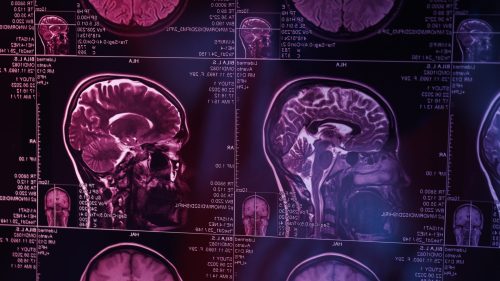
Understanding Failure to Diagnose a Stroke
A stroke is a time-critical medical emergency, and a prompt diagnosis can make all the difference in recovery. We help individuals and families understand how a stroke occurs, recognize potential warning signs, and explore their legal options when a medical delay alters a loved one’s life.
What is a stroke?
A stroke occurs when blood flow to a portion of the brain is suddenly interrupted or reduced, depriving brain tissue of vital oxygen and nutrients. Within minutes, oxygen-starved brain cells begin to die, making rapid clinical identification and medical intervention essential to preserving brain function. Strokes generally fall into two primary categories: ischemic strokes, which result from a blocked artery or blood clot, and hemorrhagic strokes, which occur when a weakened blood vessel ruptures and bleeds into brain tissue.
Additionally, individuals may experience transient ischemic attacks (TIAs), often described as mini-strokes, which serve as critical warning signs of potential future blockages. When healthcare professionals fail to recognize stroke symptoms in a timely manner, the resulting delays in treatment can lead to profound, long-term neurological damage or life-threatening complications.
Signs and symptoms of a stroke
- Loss of balance, sudden dizziness, or difficulty walking and maintaining coordination
- Sudden blurred vision, double vision, or partial loss of sight in one or both eyes
- Sudden weakness, numbness, or drooping on one side of the face
- Numbness, weakness, or inability to raise one arm or leg, usually affecting one side of the body
- Slurred speech, difficulty articulating words, or trouble understanding spoken language
- A sudden, severe headache with no known cause, often accompanied by vomiting or altered consciousness
What causes a stroke?
Strokes stem from underlying vascular or cardiovascular conditions that either obstruct blood flow or weaken blood vessels in the brain. Primary contributing factors and causes include:
- Blood clots or fatty plaque deposits that lodge in cerebral arteries, cutting off circulation
- Uncontrolled high blood pressure, which weakens artery walls over time and increases the risk of vessel rupture
- Aneurysms or arteriovenous malformations (AVMs) that balloon or burst, releasing blood into brain tissue
- Heart conditions such as atrial fibrillation, heart valve disorders, or recent cardiac events that allow clots to form and travel to the brain
- Prior history of transient ischemic attacks (TIAs), diabetes, high cholesterol, or vascular disease
When failure to diagnose a stroke may be medical malpractice
Not every missed or delayed stroke diagnosis is the result of medical negligence. Because stroke symptoms can sometimes mimic other medical conditions or present in subtle ways, healthcare providers must perform thorough evaluations. However, a failure to diagnose a stroke may point to medical negligence when a physician or hospital staff strays from accepted standards of care.
The following situations may point to negligence:
- Failing to perform a timely and thorough neurological examination when a patient presents with sudden neurological deficits
- Dismissing warning signs or misdiagnosing a stroke or TIA as a migraine, vertigo, inner ear infection, or intoxication
- Delaying or failing to order critical urgent imaging, such as a non-contrast head CT scan or MRI, to differentiate between ischemic and hemorrhagic stroke
- Misinterpreting or failing to act promptly on clear diagnostic imaging or laboratory findings
- Failing to administer time-sensitive clot-dissolving medications within the therapeutic window
- Inadequate communication between triage nurses, emergency department physicians, radiologists, and neurologists
Determining whether any of this happened in a particular case takes a careful review of the medical records. Wais, Vogelstein, Forman, Koch & Norman, LLC works with medical experts to examine the care a patient received.
Treatment and long-term outlook
The treatment for a stroke depends entirely on its type and how quickly it is diagnosed. For ischemic strokes, administering tPA within the first few hours or performing a mechanical thrombectomy to physically remove a blood clot can restore blood flow and drastically reduce permanent brain damage. For hemorrhagic strokes, emergency medical care focuses on controlling bleeding, lowering pressure inside the skull, and potentially performing surgery to repair damaged blood vessels. When diagnosis is delayed, patients lose access to these time-sensitive treatments, often resulting in prolonged rehabilitation needs, physical impairments, cognitive challenges, or speech deficits. Early intervention remains the single most important factor in securing a positive long-term outlook.
Types: Stroke
Recognizing the primary types of stroke.
Understanding the different types of stroke helps families grasp how a diagnosis was made, what treatment should have been provided, and how delays can affect long-term health.
Ischemic Stroke
Transient Ischemic Attack (TIA)
Often called a mini-stroke, a TIA is a temporary blockage of blood flow to the brain that produces stroke-like symptoms that resolve quickly. TIAs serve as crucial warning signs of an impending full stroke and require immediate medical evaluation and preventive care.
Hemorrhagic Stroke
A hemorrhagic stroke happens when a weakened blood vessel in the brain ruptures and bleeds into surrounding brain tissue. Rapid surgical intervention or medical management to reduce intracranial pressure and control bleeding is critical to prevent fatal complications.
Brainstem Stroke
A brainstem stroke occurs at the base of the brain, affecting vital body functions such as breathing, heart rate, and motor control. Because symptoms can be complex or atypical, prompt recognition by emergency care teams is vital for survival and neurological preservation.
Frequently Asked Questions
Common questions about failure to diagnose a stroke.
Navigating the aftermath of a stroke diagnosis can feel overwhelming, but clear information can help you understand your rights and next steps.
How is a transient ischemic attack (TIA) related to a stroke?
A transient ischemic attack, or TIA, is caused by a temporary interruption of blood flow to the brain and is often referred to as a mini-stroke. While TIA symptoms typically resolve within minutes or hours without permanent damage, a TIA is a serious warning sign that significantly increases the risk of a major stroke in the near future.
Is failure to diagnose a stroke always caused by medical malpractice?
No. A delayed or missed stroke diagnosis is not automatically medical malpractice. Medical malpractice occurs only when a healthcare provider fails to meet the accepted standard of care that a reasonably competent provider would have followed under similar circumstances, and that failure directly results in harm.
How is a stroke treated when diagnosed promptly versus when diagnosis is delayed?
When an ischemic stroke is diagnosed promptly, doctors can administer clot-busting medications like tPA within a critical time window or perform endovascular procedures to restore blood flow and prevent lasting brain damage. When diagnosis is delayed, these time-sensitive treatments may no longer be safe or effective, increasing the risk of severe disability, permanent loss of function, or fatal outcomes.
How long do families have to file a medical malpractice lawsuit for a missed stroke diagnosis?
The time allowed to file a lawsuit, known as the statute of limitations, varies by state and depends on specific facts, such as when the injury occurred or when the negligence was discovered. Because deadlines differ across jurisdictions and can be strict, consulting with experienced medical malpractice attorneys promptly helps protect your family’s legal rights.