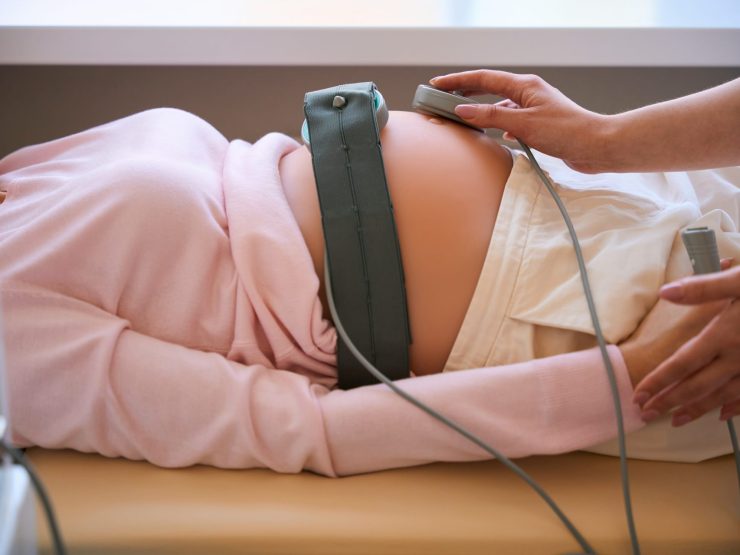
An early stillbirth occurs between 20 and 27 weeks of pregnancy. Causes may include pregnancy complications, infection, placental problems, or fetal conditions, although a cause is not always identified.

Understanding Stillbirth and Newborn Death
Losing a baby during pregnancy, labor, or shortly after birth is devastating. Understanding the medical circumstances surrounding a stillbirth or newborn death can help families find answers, consider their legal options, and decide what support they need next.
What are stillbirth and newborn death?
In the United States, stillbirth generally means the death of a baby at or after 20 weeks of pregnancy. A pregnancy loss before 20 weeks is usually called a miscarriage. Stillbirth may occur before labor begins or during labor and delivery.
A neonatal death is the death of a live-born baby during the first 28 days of life. The broader term infant death refers to the death of a child before the first birthday. These terms describe when the loss occurred, but they do not explain why it happened or whether it could have been prevented.
Possible warning signs
A stillbirth may occur without a clear warning sign. Some changes or complications should be evaluated promptly, although they do not always mean that a stillbirth has occurred:
- The baby’s movement slows significantly, changes from its usual pattern, or stops
- A health care provider cannot detect the baby’s heartbeat during a prenatal visit
- Vaginal bleeding, leaking fluid, severe abdominal pain, or strong contractions suggest a possible pregnancy complication
- Fetal heart rate monitoring during labor shows patterns that may indicate the baby is not tolerating labor
Before delivery, stillbirth is confirmed by determining whether the baby’s heart is beating, usually with an ultrasound. Anyone who notices a meaningful change in fetal movement or another urgent pregnancy warning sign should contact their health care provider or seek emergency care.
What causes stillbirth or newborn death?
Stillbirth and newborn death can have many causes, and sometimes no cause is identified even after a thorough evaluation. Possible causes and contributing conditions include:
- Placental problems, severe bleeding, or uterine rupture
- Umbilical cord complications that restrict oxygen or blood flow
- Preterm labor, multiple pregnancy, low birth weight, or respiratory distress
- Infection affecting the mother, uterus, placenta, fetus, or newborn
- Maternal conditions such as preeclampsia, hypertension, or diabetes
- Genetic, chromosomal, or structural conditions affecting the baby
A medical condition or complication does not automatically mean that anyone was negligent. A careful review of prenatal records, fetal monitoring, delivery records, placental findings, newborn care, and any available testing may help clarify what happened.
When stillbirth or newborn death may be medical malpractice
Not every stillbirth or newborn death is caused by medical malpractice. Some losses occur despite appropriate care, and others are linked to conditions that could not have been predicted or prevented.
The following situations may point to negligence:
- Failing to evaluate reduced fetal movement, abnormal test results, or maternal risk factors
- Failing to diagnose or manage infection, preeclampsia, placental abruption, uterine rupture, or cord prolapse
- Inadequate fetal monitoring or failure to respond to fetal distress
- Delaying an emergency delivery or cesarean section when needed
- Medication errors or failure to provide timely newborn treatment, resuscitation, or neonatal transfer
Determining whether any of this happened in a particular case takes a careful review of the medical records. Wais, Vogelstein, Forman, Koch & Norman, LLC works with medical experts to examine the care a mother and baby received and to help families understand whether it met the standards they had a right to expect.
Care after stillbirth or newborn death
After a stillbirth is diagnosed, the immediate medical priority is the patient’s safety and the delivery of the baby and placenta. Depending on the stage of pregnancy and the family’s circumstances, care may involve labor induction or, during the second trimester, dilation and evacuation. Families should receive clear information, compassionate support, and time to discuss available options with their care team.
Providers may recommend examination of the placenta and umbilical cord, genetic testing, infection testing, imaging, or an autopsy to look for a possible cause. For a critically ill newborn, treatment may include resuscitation, breathing support, medication, infection treatment, glucose management, or neonatal intensive care. Sadly, even prompt and appropriate treatment cannot prevent every death.
Grief support, counseling, support groups, and follow-up care can be important for parents and other family members. When a family considers another pregnancy, an obstetrician, maternal-fetal medicine specialist, or genetic counselor may help review prior findings, discuss risk factors, and plan additional monitoring when appropriate.
Injury Types: Stillbirth and Newborn Death
Recognizing the forms of stillbirth and newborn death.
The timing of a loss helps medical professionals classify what occurred and may guide the evaluation of possible causes. These categories do not determine whether the loss was preventable or caused by negligence.
Early stillbirth
Term stillbirth
A term stillbirth occurs at 37 weeks of pregnancy or later and may happen before or during labor. Prenatal records, fetal monitoring, labor management, and placental findings may be important to understanding the loss.
Late stillbirth
A late stillbirth occurs between 28 and 36 weeks of pregnancy. The medical evaluation may focus on the placenta, maternal health conditions, fetal growth, infection, and other pregnancy complications.
Neonatal death
A neonatal death is the death of a live-born baby before the 28th day of life. Possible causes include congenital conditions, prematurity, infection, complications of labor and delivery, or serious newborn illness.
Frequently Asked Questions
Common questions about stillbirth and newborn death.
Families often have many questions after a loss, and clear information can help them feel less alone as they consider what comes next.
What is the difference between miscarriage, stillbirth, and neonatal death?
A miscarriage is generally a pregnancy loss before 20 weeks, a stillbirth is the death of a baby at or after 20 weeks of pregnancy, and a neonatal death is the death of a live-born baby during the first 28 days of life.
Is stillbirth or newborn death always caused by medical malpractice?
No. Many losses occur because of natural, genetic, placental, infectious, or other medical causes that could not have been prevented. Medical malpractice may be involved when a provider failed to meet the accepted standard of care and that failure contributed to the baby’s death.
What care is available after a stillbirth or newborn death?
Care may include treatment to protect the mother’s health, delivery management, examination of the placenta and umbilical cord, genetic or infection testing, an autopsy if the family chooses, grief counseling, and medical planning for a future pregnancy. Families can ask their care team to explain each option and what information it may provide.
How long do families have to file a stillbirth or infant wrongful death claim?
The deadline depends on the state, the type of claim, the parties involved, and the specific facts of the case. Some states also require special notices or medical review before a lawsuit can be filed, so families should speak with a qualified attorney as soon as they are ready to help preserve records and evaluate the applicable deadline.