Babies delivered by C-section, especially before 39 weeks without a medical reason, may face breathing problems that require monitoring, oxygen, or NICU support.
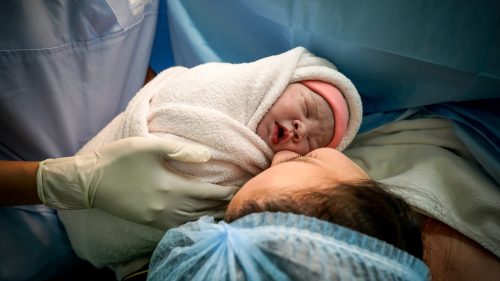
What to Know About Unnecessary C-sections and Related Injuries
A C-section can be a necessary and protective delivery method when the health of the mother, baby, or both requires it. When a cesarean delivery is performed without a medical reason, too early, or without proper evaluation and communication, families may be left with questions about whether avoidable harm occurred.
What is an unnecessary C-section?
A cesarean section, or C-section, is a surgical delivery performed through incisions in the abdomen and uterus. It can be the safest option in situations such as fetal distress, placenta previa, placental abruption, abnormal fetal position, or labor that is not progressing safely.
An unnecessary C-section may involve a surgical delivery that was not medically indicated, was performed before the baby was ready without a clear medical reason, or was chosen without fully discussing the risks, benefits, and alternatives with the patient. The concern is not that every C-section is harmful. The concern is whether a preventable surgery exposed the mother or baby to risks that reasonable care may have avoided.
Signs of possible harm after an unnecessary C-section
Families may not know right away whether a C-section was medically necessary. Concerns often arise when the surgery is followed by complications, unclear explanations, or medical records that do not seem to match what the family was told.
- Breathing problems in the newborn, including respiratory distress or rapid breathing
- Need for NICU admission, oxygen support, or additional monitoring after birth
- Low oxygen levels, low Apgar scores, or difficulty transitioning after delivery
- Maternal infection, excessive bleeding, blood clots, or anesthesia complications
- Injury to nearby organs, such as the bladder or bowel
- Severe pain, delayed healing, or a longer-than-expected recovery
- Lack of a clear explanation for why the C-section was performed
- Concerns about future pregnancy risks after an avoidable surgical delivery
What can lead to an unnecessary C-section?
Some C-sections are medically necessary and may prevent serious harm. In other situations, however, a cesarean delivery may be performed when continued monitoring, additional evaluation, or another delivery plan would have been reasonable.
- Misinterpretation of fetal heart monitoring or signs of fetal distress
- Calling labor “failure to progress” without allowing appropriate time or evaluation
- Scheduling a C-section before 39 weeks without a documented medical indication
- Relying on convenience, staffing, or scheduling instead of the patient’s medical needs
- Failing to discuss reasonable alternatives, such as continued observation or a trial of labor when appropriate
- Failing to consider the mother’s full medical history, pregnancy risks, and delivery goals
- Poor communication between the medical team and the family during labor and delivery
When an unnecessary C-section may be medical malpractice
Not every unnecessary or unexpected C-section is medical malpractice. Doctors sometimes make difficult decisions quickly during labor, and a C-section may be appropriate when the mother or baby faces a real risk. A malpractice concern may arise when the medical decision fell below the accepted standard of care and caused preventable harm.
Scenarios that may point to negligence include:
- Performing a C-section without a clear maternal or fetal medical indication
- Delivering before 39 weeks without a medical reason or proper documentation
- Misreading fetal monitoring strips and recommending surgery based on an inaccurate assessment
- Failing to allow labor to progress when the mother and baby were stable
- Failing to explain the risks, benefits, and alternatives before surgery when time allowed for informed consent
- Failing to consider a reasonable delivery option, such as a trial of labor after C-section, when the patient was an appropriate candidate
- Causing surgical or anesthesia-related harm during a C-section that may have been avoidable
Wais, Vogelstein, Forman, Koch & Norman, LLC works with medical experts to review records, evaluate whether the C-section was medically justified, and determine whether preventable harm may have occurred.
Treatment and long-term outlook
Treatment after an unnecessary C-section depends on the type and severity of the injury. Some newborns may only need short-term monitoring, while others may require oxygen, respiratory support, NICU care, or follow-up with pediatric specialists. Mothers may need treatment for infection, bleeding, blood clots, anesthesia complications, wound problems, or surgical injuries.
The long-term outlook varies. Many families recover without lasting complications, but some may face ongoing medical care, additional surgeries, future pregnancy risks, emotional distress, or financial strain. When families believe the C-section was unnecessary and caused harm, a careful legal and medical review can help clarify what happened and what options may be available.
Injury Types: Unnecessary C-section
Recognizing the forms of harm after an unnecessary C-section.
An unnecessary C-section is not a diagnosis by itself, but it can lead to different types of harm for the baby, the mother, or both. Understanding the possible forms of injury can help families know what questions to ask and what records may need to be reviewed.
Newborn respiratory complications
Future pregnancy concerns
Each additional C-section can increase certain risks in later pregnancies, including placenta-related complications and more complex repeat surgeries.
Maternal surgical complications
Because a C-section is major surgery, an avoidable procedure may expose the mother to infection, hemorrhage, blood clots, anesthesia risks, or injury to nearby organs.
Emotional and recovery burdens
When a family is not given clear answers about why surgery was needed, the physical recovery may be compounded by stress, uncertainty, and concern about avoidable harm.
Frequently Asked Questions
Common questions about unnecessary C-sections.
It is normal to have questions when a delivery did not go as expected or when a C-section was followed by medical concerns.
Can an unnecessary C-section cause a birth injury?
A C-section can be necessary and lifesaving, but an unnecessary or poorly timed C-section may expose a baby or mother to avoidable risks. For newborns, concerns may include breathing problems, NICU admission, or complications related to early delivery. For mothers, concerns may include surgical complications, infection, bleeding, or future pregnancy risks.
Is an unnecessary C-section always caused by medical malpractice?
No. A C-section may be performed because a doctor reasonably believed it was necessary at the time, even if later questions arise. It may be malpractice when the decision was not supported by the medical facts, reasonable alternatives were not considered, informed consent was not handled appropriately, and the mother or baby was harmed as a result.
What treatment may be needed after complications from an unnecessary C-section?
Treatment depends on the injury. A newborn may need respiratory support, NICU care, testing, or follow-up with specialists, while the mother may need treatment for infection, blood loss, wound complications, blood clots, or surgical injuries. The medical records can help show what care was needed and why.
How long do families have to file an unnecessary C-section malpractice claim?
The deadline, or the statute of limitations, depends on the state where the care occurred and may be affected by medical malpractice rules, the child’s age, and when the injury was discovered. Because these deadlines vary and can be complex, families should speak with an attorney promptly to understand the time limits that may apply.