
The most common birth-related bone fracture, occurring when the baby’s shoulder is compressed during delivery through the birth canal. Most clavicle fractures heal fully within a few weeks with gentle handling and arm immobilization.
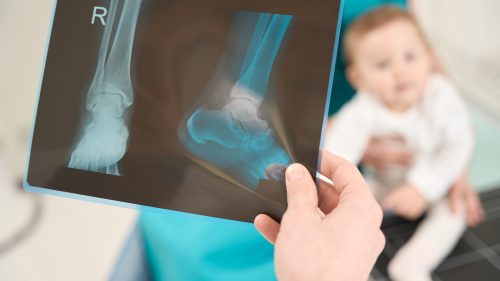
Understanding Newborns Skull and Bone Fractures
If your newborn suffered a skull or bone fracture during delivery, understanding how the injury occurred can help you make informed decisions for their care. Our compassionate legal team is here to help your family understand your diagnosis and evaluate whether medical negligence played a role.
What are newborn skull and bone fractures?
Newborn bone fractures are birth injuries that occur when a baby’s skeletal structure sustains a crack, break, or severe deformation during labor or delivery. While an infant’s skeletal system is naturally flexible to absorb physical pressure during transit through the birth canal, delicate bones can fracture when subjected to excessive physical force, twisting, or improper medical technique.
The most common types of birth-related fractures involve the skull, clavicle (collarbone), humerus (upper arm bone), and femur (thigh bone). While some minor fractures heal quickly with proper immobilization, severe or displaced fractures—especially skull fractures—can lead to nerve damage, internal bleeding, or underlying brain involvement.
Symptoms of a birth-related fracture depend on the affected bone and the severity of the break. Common indicators parents and medical teams may notice include:
- Visible indentations, abnormal concavities, or swelling on the head or scalp
- Decreased movement or total immobility in one arm, shoulder, or leg
- Extreme irritability, crying, or signs of pain when the baby is held
- Visible bruising, localized tenderness, or swelling over the affected area
- A clicking or snapping sound during gentle movement
- Soft spot bulging, lethargy, poor feeding, or seizures in cases of severe skull fractures
What causes newborn skull and bone fractures?
Bone fractures during birth typically occur when excessive physical force is exerted on an infant during a difficult or complicated delivery. Primary causes and contributing factors include:
- Improper or overly forceful application of delivery tools, such as vacuum extractors or forceps
- Shoulder dystocia, where the infant’s shoulder becomes lodged behind the mother’s pelvic bone during birth
- Excessive pull, rotation, or traction applied to the baby’s limbs, head, or shoulders during delivery
- High birth weight, where the baby is large relative to the birth canal
- Complicated fetal presentations, such as breech position or face-first delivery
When infant bone fractures may be medical malpractice
It is important for parents to know that not every newborn bone fracture is the result of medical malpractice. In certain complex deliveries, minor fractures (such as a collarbone break) can occasionally happen despite appropriate care. However, many fractures occur when healthcare providers apply excessive force or fail to handle labor complications according to accepted medical standards.
Scenarios that may point to medical negligence include:
- Applying excessive physical force or traction on the baby’s head, arm, or leg during delivery
- Misusing forceps or vacuum extractors, including applying excessive force or placing instruments incorrectly
- Mismanaging shoulder dystocia by pulling or twisting the infant instead of performing standard, gentle maneuvers
- Failing to monitor for known risk factors like fetal macrosomia or abnormal fetal presentation
- Failing to recommend or perform a timely C-section when labor stalls or vaginal delivery presents clear physical risks [Internal Link: Medical Malpractice Lawyers]
At Wais, Vogelstein, Forman, Koch & Norman, LLC, our birth injury attorneys work alongside recognized medical experts to review labor logs, delivery records, and imaging to help families determine whether medical negligence caused their child’s injury.
Treatment and long-term outlook
The treatment and long-term prognosis for a newborn bone fracture depend on which bone was injured and the severity of the break. Fractures of the clavicle or long bones often heal relatively quickly with temporary immobilization, gentle handling, and pain management.
In contrast, severe skull fractures or displaced long bone fractures may require surgical repair, specialized splinting, or long-term physical therapy. When a skull fracture leads to intracranial hemorrhage or brain tissue compression, early medical intervention is essential to protect against long-term developmental delays.
Injury Types: Newborn Skull & Bone Fractures
Recognizing the common types of infant birth fractures.
Understanding the specific bone involved and the nature of the break helps families better comprehend their child’s medical prognosis and recovery steps.
Clavicle (Collarbone) Fracture:
Skull Fracture:
A crack or indentation in the cranial bones caused by extreme pressure or obstetrical instrument misuse. While linear skull fractures often resolve on their own, depressed skull fractures can press on the brain and may require surgical intervention.
Humerus (Upper Arm) Fracture:
A break in the upper arm bone that typically occurs during difficult breech deliveries or maneuvers to release trapped shoulders. Treatment usually involves splinting or pinning the arm to the baby’s torso to ensure proper bone alignment as it heals.
Femur (Thigh) Fracture:
A rare but serious fracture of the upper leg bone, usually resulting from forceful traction or twisting during a complex breech birth. Femur fractures require specialized pediatric splinting or casting to promote correct healing and prevent long-term limb discrepancies.
Frequently Asked Questions
Common questions about infant bone fractures.
Here are answers to common questions parents ask after a newborn is diagnosed with a skull or bone fracture.
Which bones are most commonly fractured during birth?
The clavicle (collarbone) is the most frequently fractured bone during birth, followed by skull bones, the humerus (upper arm), and the femur (thigh). Clavicle and limb fractures often relate to physical maneuvers during delivery, while skull fractures frequently involve instrument assistance.
Is a newborn bone fracture always caused by medical malpractice?
No. While many bone fractures result from excessive force or improper delivery techniques, some minor fractures can occur during natural, difficult birthing processes despite standard medical care. A thorough medical review is necessary to determine whether the standard of care was breached.
Can a newborn fully recover from a birth fracture?
Yes, many infants recover completely from clavicle or simple linear fractures within a few weeks to months without lasting effects. However, severe breaks, displaced limb fractures, or depressed skull fractures that cause underlying tissue or nerve damage may require longer recovery times and specialized medical follow-up.
How long do parents have to file a legal claim for a birth fracture?
The deadline for filing a birth injury lawsuit, known as the statute of limitations, varies by state and specific case circumstances. Because these legal timeframes can be intricate, consulting an experienced birth injury lawyer promptly helps ensure your child’s legal rights remain protected.


