
This form begins during the first days after birth and is often linked to organisms passed from the mother before or during delivery. Group B Streptococcus and E. coli are leading bacterial causes.
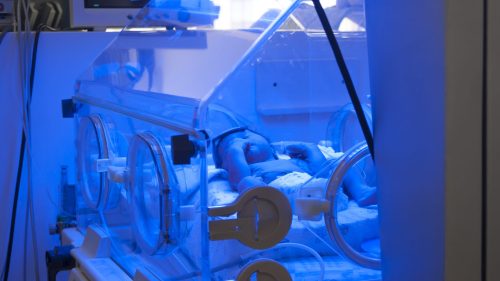
Understanding Neonatal Sepsis and Its Effect on Newborns
Neonatal sepsis is a serious, body-wide response to an infection during the first weeks of a baby’s life. This page is here to help your family understand the diagnosis, what may have led to it, how it is treated, and when it may be appropriate to ask whether delayed or improper care contributed to an injury.
What is neonatal sepsis?
Neonatal sepsis occurs when a newborn develops a severe response to an infection. The infection may begin in the bloodstream, lungs, urinary tract, skin, intestines, or the tissues surrounding the brain and spinal cord. Because newborn immune systems are still developing, an infection can spread quickly and affect breathing, circulation, the brain, and other organs.
Doctors often begin treatment when sepsis is strongly suspected rather than waiting for every test result. Blood cultures can help identify the organism causing the infection, and additional testing may include blood work, urine studies, imaging, or a lumbar puncture when meningitis is a concern and the baby is stable enough for the procedure.
Neonatal sepsis is commonly described by when symptoms begin. Early-onset sepsis develops during the first days after birth and is often linked to bacteria passed before or during delivery. Late-onset sepsis develops later and may come from the hospital environment, medical devices, caregivers, or the community.
Signs and symptoms of neonatal sepsis
The early signs of sepsis can be subtle and may resemble other newborn conditions. A baby may not develop a fever, and a low temperature can also be a warning sign. Symptoms the family or care team may notice include:
- Feeding difficulty, weak sucking, vomiting, or a swollen abdomen
- Unusual sleepiness, irritability, reduced responsiveness, or floppy muscle tone
- Breathing problems, apnea, abnormal heart rate, or a need for oxygen
- High or low temperature, blood sugar changes, jaundice, or abnormal bleeding
- Pale or blotchy skin, low blood pressure, reduced urine output, seizures, or other signs of serious infection
No single symptom confirms sepsis. Medical teams must consider the baby’s gestational age, maternal and delivery history, vital signs, physical examination, laboratory findings, and how the baby changes over time.
What causes neonatal sepsis?
Factors that may increase a newborn’s risk include:
- Maternal Group B Streptococcus or another infection during labor
- Prolonged rupture of the membranes
- Premature birth, very low birth weight, or a weakened immune system
- A difficult delivery, extensive resuscitation, or another serious newborn condition
- Central lines, breathing tubes, surgery, prolonged NICU care, or exposure to infection
A risk factor does not mean a baby will develop sepsis, and many newborn infections occur despite appropriate care. Providers should use the maternal history, delivery circumstances, the baby’s condition, and current clinical guidance to decide when observation, testing, or antibiotics are needed.
When neonatal sepsis may be a sign of medical malpractice
Not every case of neonatal sepsis is caused by medical negligence. However, care teams are expected to recognize risk factors, evaluate signs of infection, prevent hospital-acquired infections, and begin treatment promptly. When those steps are missed and a baby is harmed, families may have reason to question whether the outcome could have been different.
The following situations may point to negligence:
- Failing to recognize maternal infection risks or provide indicated antibiotics during labor
- Failing to assess or monitor a newborn with known risk factors or possible symptoms
- Delaying blood cultures, laboratory testing, antibiotics, or evaluation for meningitis
- Failing to follow infection-control practices or remove a potentially contaminated device
- Failing to monitor treatment or adjust antibiotics based on test results
Determining whether any of this happened in a particular case takes a careful review of the medical records. Wais, Vogelstein, Forman, Koch & Norman, LLC works with medical experts to examine the care a mother and baby received and to help families understand whether it met the standards they had a right to expect.
Treatment and long-term outlook
Neonatal sepsis requires prompt medical evaluation. When the condition is suspected, clinicians typically obtain blood cultures and other tests and begin antibiotics that cover the organisms most likely to be responsible. If a baby is unstable, treatment should not be delayed while waiting for test results. The antibiotic plan may be narrowed or changed after cultures identify a specific organism and show which medications are most effective.
Supportive treatment may include oxygen or mechanical ventilation, intravenous fluids, medications to support blood pressure, glucose management, treatment for seizures, and careful monitoring of kidney, liver, heart, and clotting function. A lumbar puncture may be performed when meningitis is suspected and the baby is stable enough. The length of treatment depends on the organism, the site of infection, the culture results, and how the baby responds.
Many newborns recover fully, especially when infection is recognized and treated early. Severe sepsis, septic shock, or meningitis can cause lasting complications, including hearing or vision loss, seizures, developmental or learning challenges, cerebral palsy, and other neurologic injuries. The risk and type of long-term effect vary from child to child.
After discharge, a baby may need developmental monitoring, hearing testing, neurologic follow-up, physical or occupational therapy, or other early intervention services. These supports can help identify concerns early and give a child the best opportunity to progress.
Injury Types: Neonatal Sepsis
Recognizing the timing and complications of neonatal sepsis.
When symptoms begin can offer clues about how an infection developed, while complications help explain how severely the baby was affected. Understanding these distinctions can help families make sense of the medical record and the care their child required.
Early-onset neonatal sepsis
Neonatal meningitis
The infection reaches the membranes and fluid surrounding the brain and spinal cord. Treatment usually requires a longer antibiotic course, and follow-up may include hearing and developmental testing.
Late-onset neonatal sepsis
This form develops later and may be acquired in the hospital, through a medical device, from a caregiver, or in the community. Premature and medically fragile babies may face a higher risk.
Septic shock
The infection causes dangerous problems with circulation and organ function, including very low blood pressure or poor blood flow. A baby may need intensive respiratory, cardiac, and medication support.
Frequently Asked Questions
Common questions about neonatal sepsis.
If your newborn has been diagnosed with sepsis, it is natural to feel overwhelmed and have questions. Here are answers to some of the ones families often ask.
Can neonatal sepsis cause cerebral palsy or other brain injuries?
Yes, severe sepsis can affect blood flow, oxygen delivery, and the inflammatory response throughout the body, including the brain. Meningitis, septic shock, seizures, and prolonged critical illness may increase the risk of cerebral palsy, hearing loss, developmental delays, or other neurologic challenges. Not every baby who has sepsis develops a lasting injury.
Is neonatal sepsis always caused by medical malpractice?
No. Newborn infections can occur even when appropriate preventive, diagnostic, and treatment measures are followed. Medical malpractice may be an issue when providers fail to respond to known maternal or neonatal risk factors, overlook signs of infection, delay antibiotics or supportive care, or fail to follow reasonable infection-control practices, and that failure contributes to the baby’s harm.
How is neonatal sepsis treated?
Treatment usually begins with intravenous antibiotics chosen to cover the organisms most likely to be causing the infection. Blood cultures and other tests help the team adjust treatment when more information becomes available. A baby may also need breathing support, fluids, blood-pressure medication, glucose management, seizure treatment, or other intensive care. Meningitis and certain confirmed infections may require a longer course of antibiotics.
How long does my family have to take legal action?
The time limit for filing a claim, known as the statute of limitations, varies from state to state, and different rules may apply when the injured patient is a child. The deadline may also depend on when the injury was discovered and whether special notice requirements apply. Because these rules can be complicated, it is best to ask about them sooner rather than later. Wais, Vogelstein, Forman, Koch & Norman, LLC can explain how the deadlines may apply to your family’s situation.


