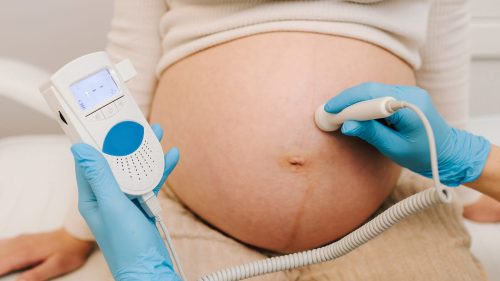
Fetal monitors and other bedside equipment may lose a signal, display inaccurate or incomplete information, or fail to provide an effective alarm. Harm may occur when a malfunction or delayed response prevents timely evaluation and treatment.
How Medical Device Errors Can Affect Childbirth
Medical devices help clinicians monitor pregnancy and labor, administer medication, assist with delivery, and support newborns after birth. When a device malfunctions, is used incorrectly, or is not properly maintained, families may be left wondering whether it contributed to an injury. This page can help you understand what a medical device error may involve and what options may be available.
What is a medical device error?
A medical device is an instrument, machine, apparatus, or similar product intended to diagnose, monitor, prevent, or treat a medical condition or to affect how the body functions. In pregnancy, labor, delivery, and newborn care, these devices can include fetal monitors, ultrasound equipment, infusion pumps, vacuum extractors, forceps, ventilators, oxygen delivery systems, incubators, and other equipment used to evaluate or support a mother or baby.
A medical device error is not a medical diagnosis. It is a broad term for a potential problem involving a device itself or the way it was selected, set up, used, monitored, maintained, or replaced. A device may contain a design or manufacturing defect, or a healthcare professional or facility may fail to use or manage it appropriately.
A malfunction, unexpected outcome, or birth injury does not by itself prove that a device was defective or that medical negligence occurred. Understanding what happened usually requires review of the device information, hospital policies, maintenance records, medication records, monitoring data, and the mother’s and baby’s medical records.
Signs that a medical device problem may have affected care
The possible signs depend on the device, when it was used, and the injury involved. The following findings may raise questions, especially when the medical record also documents a malfunction, loss of signal, alarm problem, incorrect setting, or difficulty using the equipment:
- Unexpected gaps, inconsistent readings, or loss of signal on fetal heart rate or uterine contraction monitoring
- An alarm that did not sound, was disabled, could not be heard, or was not addressed promptly
- A medication or fluid infusion that stopped unexpectedly or was delivered at a rate different from the order
- Repeated equipment resets, substitutions, error messages, damaged components, or requests for replacement equipment
- Scalp swelling, bruising, bleeding, fractures, nerve injury, or other trauma following an assisted delivery with a vacuum extractor or forceps
- A sudden change in the mother’s or baby’s condition that required emergency intervention after a device problem or loss of monitoring
- A newborn who needs significant resuscitation, respiratory support, neonatal intensive care, or evaluation for a neurologic injury
These findings can occur for reasons unrelated to a medical device error. They are not proof that a device caused an injury, but they may help identify which records, equipment logs, and clinical decisions require closer review.
What causes medical device errors?
Medical device problems may arise from the equipment, the clinical environment, or the way the device is used. Potential contributing factors include:
- A design defect, software problem, manufacturing error, damaged component, battery failure, or other malfunction
- Incomplete, unclear, or inadequate instructions, labeling, warnings, or user interface design
- Failure to inspect, test, maintain, calibrate, clean, repair, or replace equipment as recommended
- Incorrect assembly, placement, connection, programming, dosage entry, alarm setting, or other setup error
- Using the wrong device for the clinical situation or continuing to use equipment that is damaged or not functioning as expected
- Inadequate staff training, supervision, communication, or handoff procedures
- Failure to recognize or respond to an alarm, abnormal reading, loss of signal, or device error message
- Lack of working backup equipment or a delayed transition to another monitoring or treatment method
The responsible party depends on the facts. A healthcare professional or facility may be involved when the issue concerns use, maintenance, training, or response. A defect in the device or its warnings may raise a product liability issue involving the manufacturer, sometimes in addition to questions about medical care.
When a medical device error may be medical malpractice
Not every medical device malfunction, difficult delivery, or birth injury is medical malpractice. Devices can fail without a healthcare provider acting negligently, and complications can occur even when equipment is selected and used appropriately. The following circumstances may point to negligence:
- Failing to inspect, maintain, calibrate, repair, or remove malfunctioning equipment from service
- Using a device without adequate training or outside the circumstances in which it should reasonably be used
- Setting up, positioning, connecting, or programming the device incorrectly
- Entering an incorrect medication dose or infusion rate and failing to verify the pump settings
- Silencing or disabling an alarm without addressing the underlying problem, or otherwise failing to respond to a warning, abnormal reading, or loss of signal
- Relying on questionable monitoring data without assessing the mother or baby or changing to another reliable method
- Continuing an assisted delivery device after it is not working as intended or using excessive or poorly directed force
- Failing to provide working backup equipment or delaying emergency treatment or delivery after a device problem becomes apparent
- Failing to document or communicate the malfunction while care was ongoing, delaying replacement equipment, clinical evaluation, or another necessary response
Wais, Vogelstein, Forman, Koch & Norman, LLC works with qualified medical experts to review the medical records, device data, maintenance and inspection history, medication administration records, hospital policies, monitoring information, and clinical response to determine whether a preventable breakdown in care may have caused harm.
Treatment and long-term outlook
A medical device error is not treated as a condition on its own. Care focuses on stopping the device problem, protecting the mother and baby, and treating any resulting injury. During labor, the team may replace the equipment, verify readings through another method, correct an infusion setting, stop a medication, perform a bedside assessment, or move toward an expedited delivery when the clinical situation requires it.
After birth, treatment depends on the baby’s needs and may include resuscitation, oxygen or breathing support, neonatal intensive care, blood testing, brain imaging, seizure monitoring, treatment for bleeding or trauma, and evaluation by pediatric specialists. Some children may later benefit from physical therapy, occupational therapy, speech therapy, developmental services, medication, surgery, or educational support.
The long-term outlook varies widely. It depends on the type and severity of the injury, the baby’s overall health, how quickly the problem was recognized, and how promptly effective treatment began. Some children recover without lasting effects, while others need ongoing medical, developmental, or supportive care.
Common Medical Device Errors
Recognizing common forms of medical device errors.
Understanding how device problems can occur may help families organize their questions and identify which records deserve closer review. These categories describe possible breakdowns involving equipment and care, not stages of an injury.
Monitoring and alarm errors
Assisted delivery device errors
Vacuum extractors and forceps may be used to help complete a vaginal delivery. Questions may arise when the device is poorly positioned, used with excessive force, or continued after it is not assisting the delivery as intended.
Infusion pump errors
Infusion pumps control the delivery of medications and fluids, including Pitocin during labor. Programming mistakes, tubing problems, software failures, or alarm errors can cause an interruption or an incorrect rate of delivery.
Newborn support equipment errors
Newborns may depend on ventilators, oxygen systems, incubators, monitors, and other equipment for stabilization and treatment. Incorrect settings, maintenance problems, malfunctions, or delayed replacement may interfere with needed care.
Frequently Asked Questions
Common questions about medical device errors.
It is understandable to have questions when equipment used during pregnancy, delivery, or newborn care may have affected your family.
How are medical device errors related to fetal monitoring errors?
Fetal monitoring errors are one form of possible medical device error. The equipment may lose a signal, produce incomplete information, or develop an alarm problem, but the care team must also assess whether the tracing is reliable and respond appropriately to concerning findings. A fetal monitoring claim may involve the device, the clinicians using it, or both, depending on the evidence.
Is a medical device error always caused by medical malpractice?
No. A device can malfunction even when healthcare professionals follow appropriate procedures, and an adverse outcome does not prove that the equipment caused harm. Medical malpractice may be considered when a provider or facility failed to reasonably select, use, maintain, monitor, or respond to the device. A defect in the product itself may involve a separate product liability issue.
How are injuries caused by medical device errors treated?
Treatment depends on the device and the injury. Immediate care may include stopping or replacing the equipment, correcting medication delivery, changing the monitoring method, performing an urgent delivery, resuscitating the newborn, or providing NICU support. Longer-term care may include specialist follow-up, therapy, medication, surgery, and developmental services.
How long do families have to file a medical device error claim?
The deadline, or the statute of limitations, varies by state and may depend on whether the claim involves medical malpractice, product liability, or both. The child’s age, the date the injury was discovered, the parties involved, and special notice or expert-review requirements may also affect the timeline. Because evidence and legal deadlines can be time-sensitive, families should speak with an attorney promptly.