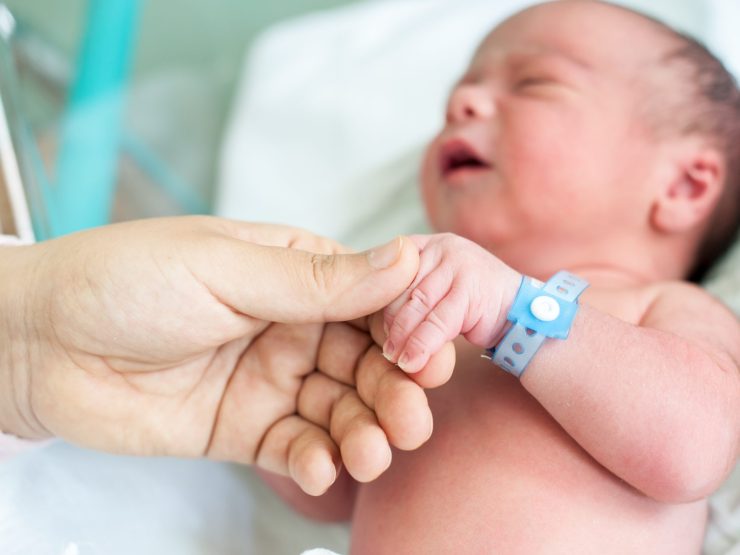
Current medical evidence does not establish birth injury as a direct cause of autism, although some studies have found associations between birth complications and later autism diagnoses. What is clear is that a brain injury at birth can cause developmental delays and behavioral differences that overlap with the features of autism. Medical experts can review the records to determine whether such an injury occurred and what role it may be playing in a child’s development.

Understanding Birth Injury and Autism
Many families are told their child has autism after a difficult labor, delivery, or newborn course, and are left wondering whether the two are connected. Brain injuries that occur around the time of birth can cause developmental delays and behavioral differences that overlap with the features of autism, and in some children those differences are diagnosed as autism spectrum disorder. An autism diagnosis does not mean a birth injury occurred, but it does not rule one out either. The medical records can often help answer that question.
Autism spectrum disorder (ASD) is a developmental disability, and current medical evidence does not establish birth injury as a cause of autism. When a child receives an autism diagnosis after a difficult labor, delivery, or newborn course, families may still want to understand whether a separate birth injury occurred and whether the medical record supports any relationship between that injury and the child’s developmental outcome.
What is autism spectrum disorder?
Autism spectrum disorder (ASD) is a developmental disability that can affect how a person communicates, interacts, learns or experiences the world. Autism begins early in development, but the way it appears can vary widely from one child to another.
Autism has complex, multifactorial origins, and genetic factors are known to play an important role. An autism diagnosis describes a pattern of development. On its own, it does not identify a cause.
Signs and symptoms
Autism looks different in every child. Some children show signs during the first year of life, while others show symptoms much later during development. A developmental evaluation is the appropriate way to determine whether a child meets criteria for ASD.
- Differences in eye contact, facial expressions, gestures, or back-and-forth social interaction
- Differences in responding to a name, sharing interests, or engaging with other people
- Delayed, limited, or otherwise different speech and language development
- Repetitive movements, play patterns, speech, or use of objects
- Strong preferences for routines or difficulty with unexpected changes
- Heightened or reduced responses to sounds, textures, lights, movement, or other sensory input
- Different patterns of learning, attention, movement, or behavior
Several of these features, particularly delays in language, social communication, and learning, can also result from a brain injury sustained during pregnancy, labor, delivery, or the newborn period.
How birth injury and autism can overlap
Current medical evidence does not establish birth injury as a direct cause of autism. Some large studies have found that complications such as oxygen deprivation, fetal distress, and birth trauma are associated with a higher likelihood of a later autism diagnosis, but an association is not the same as a cause, and most children with autism have no history of birth injury.
What is well established is that a brain injury at birth, such as hypoxic-ischemic encephalopathy (HIE), can affect the parts of the brain responsible for communication, behavior, learning, and social interaction. A child with that kind of injury may show delayed speech, repetitive behaviors, difficulty with social engagement, or sensory differences. Those features can look very similar to autism, and a child may be diagnosed with autism, with a brain injury, or with both.
For families, the practical question is not whether autism itself was caused by the birth, but whether the records show a separate, preventable injury during pregnancy, labor, delivery, or the newborn period that may be contributing to the child’s developmental picture. Records that may warrant closer review include:
- Documented HIE, newborn encephalopathy, or other neurologic diagnoses in the newborn period
- Seizures, abnormal tone, or other signs of newborn brain dysfunction
- Umbilical cord blood gas results, Apgar scores, and resuscitation records
- Brain imaging showing an injury and helping clinicians understand when it may have occurred
- Labor and fetal monitoring records showing how the baby tolerated labor and how the care team responded
- Later diagnoses in addition to autism, such as cerebral palsy, motor delays, seizure disorders, or intellectual disability
When birth injury and autism may involve medical malpractice
An autism diagnosis alone is not evidence of medical malpractice. A malpractice review asks a different question: whether a preventable injury occurred because the care provided fell below the accepted medical standard, and whether that injury caused harm.
The following circumstances may point to negligence when they are connected to a documented birth injury:
- Failing to recognize or appropriately respond to concerning fetal heart rate patterns
- Delaying a medically indicated delivery when the baby was showing signs that required intervention
- Improperly using forceps, vacuum extraction, or another delivery technique in a way that may have caused traumatic injury
- Failing to respond appropriately to an obstetric emergency that threatened the baby’s oxygen or blood supply
- Failing to provide appropriate newborn resuscitation, evaluation, or treatment when signs of neurologic injury were present
- Failing to recognize or investigate signs of a brain injury during the newborn period
Wais, Vogelstein, Forman, Koch & Norman, LLC works with medical experts to review prenatal, labor, delivery, and neonatal records, determine whether a preventable birth injury occurred, and assess whether that injury may be contributing to a child’s developmental and behavioral challenges, including those that have been diagnosed as autism.
Treatment and long-term outlook
Support for a child with autism is individualized. Depending on the child, services may include developmental or behavioral support, speech and language therapy, occupational therapy, physical therapy, educational services, or care for co-occurring medical or mental health needs.
If a child also has a documented birth injury, that injury may require its own follow-up, such as neurology care, rehabilitation, seizure management, or additional therapies. Many of these services overlap with autism-related support, but each diagnosis should be evaluated on its own medical evidence so the child receives the right care for the right reasons.
Early identification of developmental needs can help families connect with appropriate services and build a care plan around the child’s individual abilities, challenges, and goals.
Frequently Asked Questions
Common questions about birth injury and autism.
It is understandable to have questions when an autism diagnosis follows a difficult birth, and a careful review can help separate what is known from what still needs to be investigated.
What is the relationship between birth injury and autism?
Does an autism diagnosis mean medical malpractice occurred?
No. Autism itself is not evidence of medical malpractice, and many children with autism have no known birth injury. A malpractice investigation focuses on whether the medical records show that a preventable injury occurred because care fell below the applicable standard and whether that injury caused harm.
Does an autism diagnosis rule out a birth injury claim?
No. Some children who experienced a brain injury at birth are later diagnosed with autism, and the autism label does not undo what the records show about labor, delivery, and the newborn period. If the records document a preventable injury, a claim may still be possible regardless of how the child’s later challenges have been diagnosed.
How long do families have to file a birth injury claim?
The deadline, or the statute of limitations, depends on the state where the care occurred and on who is bringing the claim. A claim for harm to the mother often follows a different timeline than a claim brought on behalf of a child, and many states allow more time for a child’s claim. The deadline may also depend on when the injury was discovered, the provider involved, and whether special notice requirements apply. Because these rules vary and can be shorter than families expect, speaking with an attorney promptly can help you understand the time limits that apply to your situation.